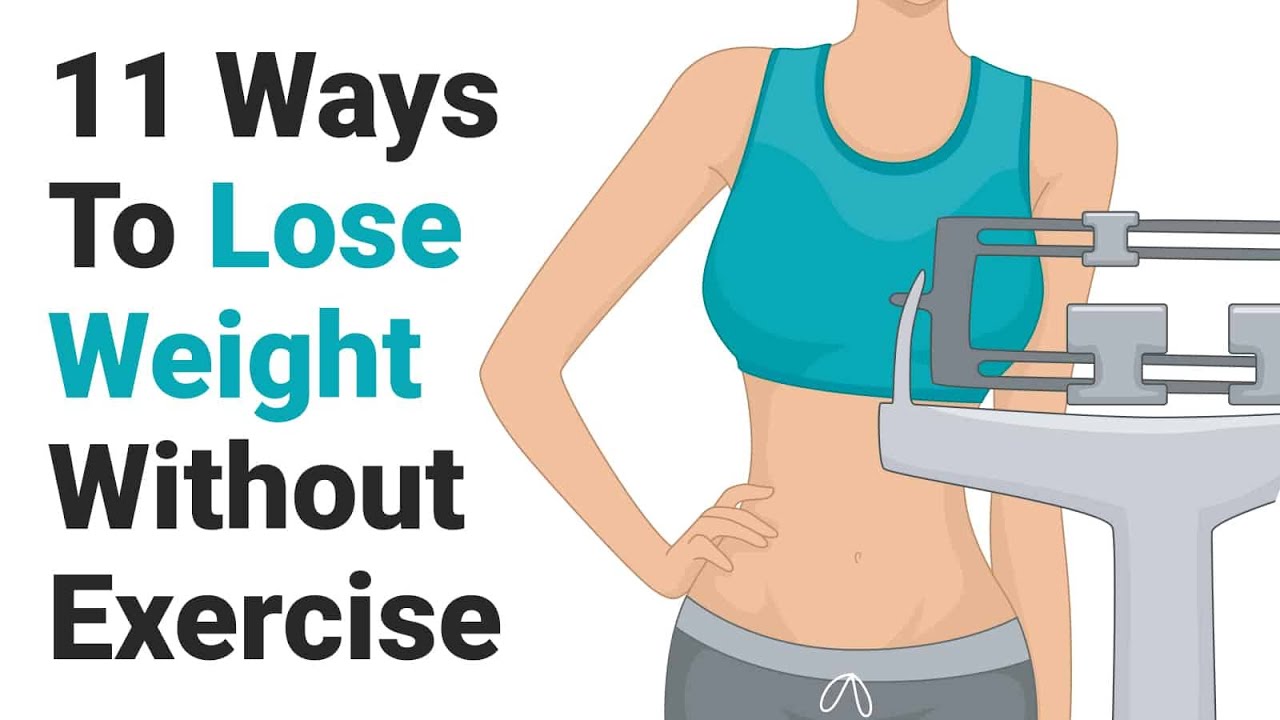
11 Proven Ways to Lose Weight Without Diet or Exercise

Drinking plenty of water can help you feel full and reduce your appetite

Top 5 Best Workouts for Women

Exercise is one of the most effective ways to lose weight and improve overall health

How to Minimize Health Risks and Promote Wellness

Taking Care of Your Body and Mind: How to Minimize Health Risks and Promote Wellness.

"Healthy Habits for Weight Loss: Four Essential Tips for Success"

Losing weight can be a challenging process, but developing healthy habits can make it easier and more sustainable. Here are four essential tips for weight loss success

weight loss with ozempic

Ozempic (semaglutide) is a medication used to treat type 2 diabetes, but it has also been approved by the FDA for weight management in adults with a body mass index (BMI) of 27 or greater who also have at least one weight-related condition, such as high blood pressure, type 2 diabetes, or high cholesterol

Popular Posts

11 Proven Ways to Lose Weight Without Diet or Exercise

14 Days of Regular 15-Minute Pilates: My Experience of an Incredible Body Transformation!

  We all know that exercise is good for health, but in today’s busy lifestyle, spending hours at the gym is almost impossible for many peopl...

Showing posts with label Weight Lose Without Diet. Show all posts

Wednesday, April 12, 2023

weight loss do this before bed

 weight loss do this before bed

"Boost Your Weight Loss Efforts with These Nighttime Habits"


Losing weight requires a holistic approach that encompasses various aspects of your lifestyle, including your eating habits, physical activity, and sleep routine. While most people focus on diet and exercise during the day, the hours before bedtime offer a unique opportunity to optimize your weight loss efforts. Incorporating healthy habits into your bedtime routine can help you make the most of your overnight rest and set the stage for a successful weight loss journey. Here are some bedtime rituals to consider that may help you on your weight loss journey.


Plan and prep for the next day: Before you hit the hay, take a few minutes to plan and prep for the next day. This can include packing a healthy lunch, laying out workout clothes, and setting intentions for the following day. Planning and being organized can help reduce stress and keep you focused on your weight loss goals. It can also help you make healthier choices the next day, which can contribute to weight loss success.


Avoid late-night snacking: Late-night snacking can be a significant hurdle to weight loss. When you eat close to bedtime, your body is less active, and your metabolism slows down. Moreover, your body's ability to burn calories is reduced during sleep. Consuming excess calories at night can lead to weight gain over time. To avoid late-night snacking, try to finish your last meal at least two to three hours before bedtime. If you feel hungry, opt for a small, healthy snack like a piece of fruit or a handful of nuts.


Stay hydrated: Staying hydrated is crucial for overall health and can also aid in weight loss. Drinking water before bed can help keep you hydrated throughout the night and may also help prevent late-night cravings. Additionally, staying hydrated can help support your body's metabolism and digestion, which are essential factors in weight loss. Just be mindful of not drinking too much water before bed, as it may lead to disruptive trips to the bathroom during the night.


Practice relaxation techniques: High levels of stress can interfere with your weight loss efforts. Stress can trigger emotional eating and disrupt your sleep, both of which can negatively impact your weight loss progress. Incorporating relaxation techniques into your bedtime routine, such as deep breathing, meditation, or gentle stretches, can help lower stress levels and promote better sleep. Better sleep can result in improved hormone regulation and better control over cravings, leading to more successful weight loss outcomes.


Limit screen time: The blue light emitted by electronic devices such as smartphones, tablets, and computers can interfere with your sleep quality. Exposure to blue light before bedtime can disrupt your circadian rhythm and suppress the production of the sleep hormone melatonin, making it harder for you to fall asleep and stay asleep. Poor sleep can negatively affect your metabolism and increase your appetite, leading to weight gain. To improve your sleep quality and support your weight loss efforts, limit your screen time before bed. Avoid screens for at least one hour before bedtime and opt for relaxing activities such as reading a book, listening to calming music, or practicing a hobby.


Create a relaxing bedtime environment: Your sleep environment plays a significant role in the quality of your sleep. Creating a relaxing bedtime environment can help you fall asleep faster and enjoy a more restful night's sleep. Keep your bedroom dark, cool, and quiet, and invest in a comfortable mattress and pillows that support your body. Consider using blackout curtains, white noise machines, or earplugs to block out any disturbances. Creating a serene and calming sleep environment can contribute to better sleep, which in turn can support your weight loss efforts.


Reflect and visualize success: Take a few moments before bed to reflect on your weight loss goals and visualize yourself achieving them. Reflecting on your progress and visualizing yourself succeeding can help boost your motivation and reinforce your commitment to your weight loss journey. You can use this time to journal about your achievements, set small goals for the next day, or simply practice positive affirmations. This positive mindset can help you stay focused and motivated, even during challenging times, and keep you on track towards your weight loss goals.


Get enough sleep: Last but not least, getting enough quality sleep is essential for weight loss success. Poor sleep can disrupt your appetite-regulating hormones, increase hunger and cravings, and lower your metabolism, making it harder to lose weight. Aim for 7-9 hours of uninterrupted sleep each night, and establish a consistent sleep schedule by going to bed and waking up at the same time every day, even on weekends. This can help regulate your body's internal clock and promote better sleep quality, which can ultimately support your weight loss efforts.

In conclusion, incorporating healthy bedtime rituals into your routine can have a significant impact on your weight loss journey. Planning and prepping for the next day, avoiding late-night snacking, staying hydrated, practicing relaxation techniques, limiting screen time, creating a relaxing bedtime environment, reflecting and visualizing success, and getting enough sleep can all contribute to better sleep quality, reduced stress levels, improved metabolism, and enhanced motivation, all of which can support your weight loss goals. So, make the most of your bedtime routine and optimize your weight loss efforts by incorporating these healthy habits into your nighttime routine. Sweet dreams and successful weight loss!

Tuesday, February 14, 2023

Lose weight without diet or exercise

1. Drink more water: Drinking plenty of water can help you feel full and reduce your appetite

One of the main benefits of drinking more water is its ability to help with weight loss. Drinking water can help reduce appetite and increase feelings of fullness, which can lead to consuming fewer calories overall. Additionally, water can help boost metabolism, allowing the body to burn more calories throughout the day. 
One of the main benefits of drinking more water is its ability to help with weight loss. Drinking water can help reduce appetite and increase feelings of fullness, which can lead to consuming fewer calories overall. Additionally, water can help boost metabolism, allowing the body to burn more calories throughout the day.

2. Get enough sleep: Getting enough sleep can help regulate hormones that control appetite and metabolism.

To prioritize sleep for weight loss, it is recommended to establish a consistent sleep schedule and get at least 7-8 hours of sleep each night. Additionally, reducing caffeine and alcohol intake, and avoiding electronics before bedtime can improve sleep quality.

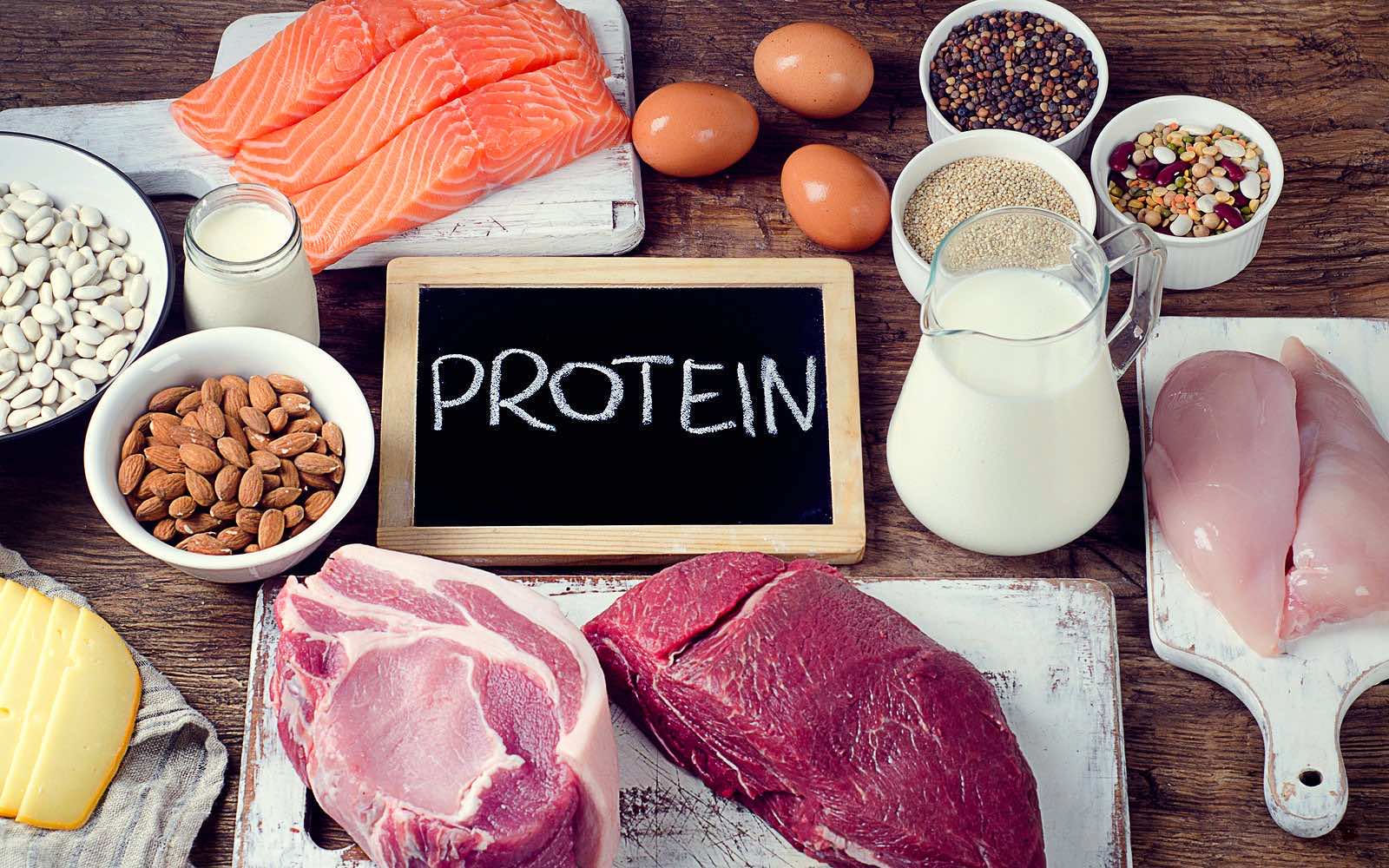
3. Eat more protein: Protein can help you feel full and reduce cravings for unhealthy snacks.

Eating more protein can be an effective strategy for weight loss. Protein is more filling than carbohydrates or fat, and can help reduce appetite and cravings for unhealthy snacks. Additionally, eating more protein can boost metabolism, allowing the body to burn more calories throughout the day.

One of the main reasons proteins are effective for weight loss is their impact on hunger and fullness. Protein stimulates the release of hormones that control appetite, making it easier to reduce overall calorie intake. Studies have also shown that increasing protein intake can reduce cravings for high-calorie foods and improve feelings of fullness, leading to consuming fewer calories overall.

4. Reduce stress: Stress can lead to overeating, so finding ways to manage stress can help prevent weight gain. 


Stress can have a significant impact on weight gain and loss, and reducing stress can be an important strategy for achieving and maintaining a healthy weight. When we experience stress, the body produces the hormone cortisol, which can lead to increased appetite, cravings for unhealthy foods, and the accumulation of belly fat.

Additionally, stress can also disrupt sleep, reduce energy levels, and increase the risk of emotional eating, all of which can make it harder to maintain a healthy weight.

To reduce stress for weight loss, it is important to identify and address sources of stress in daily life. This may involve practicing stress-reducing techniques such as meditation, yoga, or deep breathing, and making time for relaxation and self-care activities.


 5. Use smaller plates: Using smaller plates can help you eat smaller portions without feeling deprived.


Using smaller plates can be a simple yet effective strategy for weight loss. The size of our plates can impact the amount of food we consume, and using smaller plates can help with portion control, reduce calorie intake, and support weight loss goals.

Studies have shown that when using larger plates, people tend to serve themselves larger portions of food and consume more calories than when using smaller plates. By contrast, using smaller plates can create an optical illusion that makes portions appear larger, leading to a feeling of fullness with less food.

Using smaller plates can also help with mindful eating, which involves paying attention to hunger and fullness cues, eating slowly, and enjoying the sensory experience of food. When using smaller plates, it can be easier to focus on the food, enjoy the taste, and eat mindfully, rather than mindlessly consuming larger portions

6. Eat more fiber: Fiber can help you feel full and reduce your overall calorie intake. 

Eating more fiber can be an effective strategy for weight loss. Fiber is a type of carbohydrate that the body cannot digest, and is found in fruits, vegetables, whole grains, and legumes. By incorporating more high-fiber foods into the diet, individuals can support their weight loss goals and improve overall health.

One of the main reasons fiber is effective for weight loss is its ability to reduce appetite and increase feelings of fullness. When consumed, fiber absorbs water and swells in the stomach, leading to a feeling of fullness and reduced calorie intake. Additionally, fiber slows down the digestion process, which can help regulate blood sugar levels and reduce cravings for unhealthy snacks.

 7. Chew your food slowly: Eating slowly can help you feel full and reduce your overall calorie intake.


Chewing food slowly can be a simple yet powerful strategy for weight loss. When we eat quickly, we tend to consume larger portions and may not give our body enough time to register feelings of fullness, leading to overeating and weight gain. By contrast, chewing food slowly can help with portion control, reduce calorie intake, and support weight loss goals.

When we chew our food thoroughly, it breaks down into smaller pieces, making it easier to digest and absorb nutrients. Additionally, the act of chewing sends signals to the brain to release hormones that control appetite and digestion, helping to regulate hunger and fullness.

 8. Avoid sugary drinks: Sugary drinks are high in calories and can contribute to weight gain. 


Avoiding sugary drinks can be an effective strategy for weight loss. Sugar-sweetened beverages such as soda, fruit juice, and energy drinks are a major source of added sugars in the diet, and can contribute to weight gain and a range of health problems, including type 2 diabetes, heart disease, and liver disease.

One of the main reasons sugary drinks are so detrimental to weight loss is their high calorie content. A typical 12-ounce can of soda contains around 140 calories, while a 16-ounce bottle can contain as much as 250 calories or more. These calories can add up quickly, and consuming just one sugary drink per day can lead to a significant increase in daily calorie intake.

 9. Eat more whole foods: Whole foods like fruits, vegetables, and whole grains can help you feel full and reduce your overall calorie intake.


 When individuals focus on consuming nutrient-dense whole foods, they are more likely to feel satisfied and nourished, rather than deprived or restricted. This can help reduce the likelihood of binge eating or emotional eating, which can be common obstacles to weight loss success.
One of the main reasons whole foods are effective for weight loss is their nutrient density. Whole Foods is rich in vitamins, minerals, and fiber, which can help promote feelings of fullness, reduce cravings for unhealthy foods, and support a healthy metabolism. Additionally, whole foods are generally lower in calories and higher in nutrient content than processed or packaged foods, making them an ideal choice for those seeking to lose weight.

 10. Keep unhealthy foods out of sight: Keeping unhealthy foods out of sight can help reduce the temptation to eat them. 


Keeping unhealthy foods out of sight can be a simple yet effective strategy for weight loss. Research has shown that individuals are more likely to consume foods that are visible and easily accessible, and that the presence of unhealthy foods in the environment can contribute to overeating and weight gain.

One way to implement this strategy is to store unhealthy foods in opaque containers or in cabinets that are less visible and accessible. This can make it more difficult to mindlessly snack on unhealthy foods, and can help reduce the temptation to indulge in high-calorie, low-nutrient foods.

Another approach is to limit the number of unhealthy foods that are brought into the home in the first place. By purchasing healthier alternatives and avoiding high-calorie, low-nutrient foods, individuals can support their weight loss goals and improve their overall health.

 11.Practice mindful eating : Mindful eating involves paying attention to your food and eating without distractions, which can help prevent over


Mindful eating is a practice that involves paying attention to the experience of eating, without judgment or distraction. By focusing on the sensations of eating, individuals can develop a more positive relationship with food and support their weight loss goals.

One of the main benefits of mindful eating is that it can help individuals to tune into their body's natural hunger and fullness signals. By eating slowly, savoring each bite, and checking in with their body throughout the meal, individuals can better understand their hunger and fullness cues, and are less likely to overeat or consume excess calories.

In conclusion, practicing mindful eating can be an effective strategy for weight loss, by promoting awareness of hunger and fullness signals, and supporting a healthy relationship with food. By taking the time to savor each bite and pay attention to the sensations of eating, individuals can better understand their body's needs and make healthier choices accordingly. By incorporating mindful eating into their daily routine, individuals can support their weight loss goals and improve their overall health and well-being.