11 Proven Ways to Lose Weight Without Diet or Exercise

Drinking plenty of water can help you feel full and reduce your appetite

Top 5 Best Workouts for Women

Exercise is one of the most effective ways to lose weight and improve overall health

How to Minimize Health Risks and Promote Wellness

Taking Care of Your Body and Mind: How to Minimize Health Risks and Promote Wellness.

"Healthy Habits for Weight Loss: Four Essential Tips for Success"

Losing weight can be a challenging process, but developing healthy habits can make it easier and more sustainable. Here are four essential tips for weight loss success

weight loss with ozempic

Ozempic (semaglutide) is a medication used to treat type 2 diabetes, but it has also been approved by the FDA for weight management in adults with a body mass index (BMI) of 27 or greater who also have at least one weight-related condition, such as high blood pressure, type 2 diabetes, or high cholesterol

Popular Posts

11 Proven Ways to Lose Weight Without Diet or Exercise

14 Days of Regular 15-Minute Pilates: My Experience of an Incredible Body Transformation!

  We all know that exercise is good for health, but in today’s busy lifestyle, spending hours at the gym is almost impossible for many peopl...

Wednesday, April 12, 2023

weight loss do this before bed

 weight loss do this before bed

"Boost Your Weight Loss Efforts with These Nighttime Habits"


Losing weight requires a holistic approach that encompasses various aspects of your lifestyle, including your eating habits, physical activity, and sleep routine. While most people focus on diet and exercise during the day, the hours before bedtime offer a unique opportunity to optimize your weight loss efforts. Incorporating healthy habits into your bedtime routine can help you make the most of your overnight rest and set the stage for a successful weight loss journey. Here are some bedtime rituals to consider that may help you on your weight loss journey.


Plan and prep for the next day: Before you hit the hay, take a few minutes to plan and prep for the next day. This can include packing a healthy lunch, laying out workout clothes, and setting intentions for the following day. Planning and being organized can help reduce stress and keep you focused on your weight loss goals. It can also help you make healthier choices the next day, which can contribute to weight loss success.


Avoid late-night snacking: Late-night snacking can be a significant hurdle to weight loss. When you eat close to bedtime, your body is less active, and your metabolism slows down. Moreover, your body's ability to burn calories is reduced during sleep. Consuming excess calories at night can lead to weight gain over time. To avoid late-night snacking, try to finish your last meal at least two to three hours before bedtime. If you feel hungry, opt for a small, healthy snack like a piece of fruit or a handful of nuts.


Stay hydrated: Staying hydrated is crucial for overall health and can also aid in weight loss. Drinking water before bed can help keep you hydrated throughout the night and may also help prevent late-night cravings. Additionally, staying hydrated can help support your body's metabolism and digestion, which are essential factors in weight loss. Just be mindful of not drinking too much water before bed, as it may lead to disruptive trips to the bathroom during the night.


Practice relaxation techniques: High levels of stress can interfere with your weight loss efforts. Stress can trigger emotional eating and disrupt your sleep, both of which can negatively impact your weight loss progress. Incorporating relaxation techniques into your bedtime routine, such as deep breathing, meditation, or gentle stretches, can help lower stress levels and promote better sleep. Better sleep can result in improved hormone regulation and better control over cravings, leading to more successful weight loss outcomes.


Limit screen time: The blue light emitted by electronic devices such as smartphones, tablets, and computers can interfere with your sleep quality. Exposure to blue light before bedtime can disrupt your circadian rhythm and suppress the production of the sleep hormone melatonin, making it harder for you to fall asleep and stay asleep. Poor sleep can negatively affect your metabolism and increase your appetite, leading to weight gain. To improve your sleep quality and support your weight loss efforts, limit your screen time before bed. Avoid screens for at least one hour before bedtime and opt for relaxing activities such as reading a book, listening to calming music, or practicing a hobby.


Create a relaxing bedtime environment: Your sleep environment plays a significant role in the quality of your sleep. Creating a relaxing bedtime environment can help you fall asleep faster and enjoy a more restful night's sleep. Keep your bedroom dark, cool, and quiet, and invest in a comfortable mattress and pillows that support your body. Consider using blackout curtains, white noise machines, or earplugs to block out any disturbances. Creating a serene and calming sleep environment can contribute to better sleep, which in turn can support your weight loss efforts.


Reflect and visualize success: Take a few moments before bed to reflect on your weight loss goals and visualize yourself achieving them. Reflecting on your progress and visualizing yourself succeeding can help boost your motivation and reinforce your commitment to your weight loss journey. You can use this time to journal about your achievements, set small goals for the next day, or simply practice positive affirmations. This positive mindset can help you stay focused and motivated, even during challenging times, and keep you on track towards your weight loss goals.


Get enough sleep: Last but not least, getting enough quality sleep is essential for weight loss success. Poor sleep can disrupt your appetite-regulating hormones, increase hunger and cravings, and lower your metabolism, making it harder to lose weight. Aim for 7-9 hours of uninterrupted sleep each night, and establish a consistent sleep schedule by going to bed and waking up at the same time every day, even on weekends. This can help regulate your body's internal clock and promote better sleep quality, which can ultimately support your weight loss efforts.

In conclusion, incorporating healthy bedtime rituals into your routine can have a significant impact on your weight loss journey. Planning and prepping for the next day, avoiding late-night snacking, staying hydrated, practicing relaxation techniques, limiting screen time, creating a relaxing bedtime environment, reflecting and visualizing success, and getting enough sleep can all contribute to better sleep quality, reduced stress levels, improved metabolism, and enhanced motivation, all of which can support your weight loss goals. So, make the most of your bedtime routine and optimize your weight loss efforts by incorporating these healthy habits into your nighttime routine. Sweet dreams and successful weight loss!

Monday, March 20, 2023

How to find Best Weight Loss Program

 Best Weight Loss Program

Weight loss can be a challenging journey for many people. There are countless diets, supplements, and exercise programs available on the market that promise quick results, but not all of them are effective or safe. 


The best weight loss program is one that promotes healthy habits and sustainable changes that can be maintained long-term. In this article, we will discuss some of the key components of the best weight loss program.

1. Personalized Approach

There is no one-size-fits-all approach to weight loss. Every person's body is unique, and what works for one person may not work for another. The best weight loss program will take into account your individual needs and preferences, including your current weight, lifestyle, medical history, and fitness level, to create a personalized plan that will help you achieve your goals.

2. Balanced Nutrition

A healthy diet is a crucial part of any weight loss program. The best weight loss programs will provide you with a balanced meal plan that includes a variety of nutrient-dense foods, such as fruits, vegetables, whole grains, lean protein, and healthy fats. These foods will provide your body with the nutrients it needs to function properly, while also helping you feel full and satisfied.

3. Regular Exercise

Exercise is another important component of a successful weight loss program. The best weight loss programs will include a regular exercise plan that is tailored to your fitness level and goals. This may include a combination of cardio and strength training exercises, as well as activities that you enjoy, such as hiking or swimming. Regular exercise not only helps you burn calories but also improves your overall health and well-being.

4. Behavioral Changes

Weight loss is not just about what you eat or how much you exercise. It also involves making behavioral changes that can help you maintain a healthy lifestyle long-term. The best weight loss programs will help you identify and address the underlying behaviors and habits that may be contributing to your weight gain, such as emotional eating or lack of sleep. By making small, sustainable changes to your daily routine, you can create healthier habits that will help you achieve and maintain your weight loss goals.

5. Support and Accountability

The journey to weight loss can be challenging, and it's essential to have support and accountability along the way. The best weight loss programs will provide you with a support system, such as a coach or a group of like-minded individuals, who can offer encouragement, motivation, and guidance throughout your journey. Additionally, tracking your progress through regular weigh-ins or measurements can help you stay accountable and motivated.

In conclusion, the best weight loss program is one that takes a holistic approach, addressing not only what you eat and how much you exercise, but also your unique needs, preferences, and behaviors. By creating a personalized plan that includes balanced nutrition, regular exercise, behavioral changes, and support, you can achieve your weight loss goals and maintain a healthy lifestyle long-term.


Sunday, March 19, 2023

High Protein Snacks Weight Loss

 High Protein Snacks Weight Loss

If you're looking to lose weight, incorporating high protein snacks into your diet can be a great way to keep your hunger at bay while also supporting your body's muscle-building needs. In this article, we'll explore some delicious and nutritious high protein snacks that can help you achieve your weight loss goals.

1. Greek Yogurt: Greek yogurt is an excellent source of protein, with around 15 grams per serving. 

It also contains probiotics, which can help improve digestion and support overall gut health. Try topping your Greek yogurt with berries and a drizzle of honey for a sweet and satisfying snack.

2. Hard-Boiled Eggs: Hard-boiled eggs are a convenient and portable snack that provides around 6 grams of protein per egg. 


They're also a good source of healthy fats and essential nutrients like vitamin D and choline. For added flavor, try sprinkling your hard-boiled eggs with a bit of salt and pepper or dipping them in hummus.

3. Roasted Chickpeas: Roasted chickpeas are a crunchy and flavorful snack that provides around 6 grams of protein per 1/4 cup serving.


 They're also a good source of fiber, which can help keep you feeling full between meals. Try seasoning your roasted chickpeas with your favorite herbs and spices for a personalized flavor profile.

4. Cottage Cheese: Cottage cheese is a high protein snack that's also low in calories and fat. 


A half-cup serving provides around 14 grams of protein. To add some sweetness and crunch, try topping your cottage cheese with sliced fruit and a sprinkle of granola.

5. Turkey Roll-Ups: Turkey roll-ups are a delicious and satisfying snack that provides around 18 grams of protein per serving. 


To make them, simply roll a slice of turkey around a slice of cheese or some avocado, then slice into bite-sized pieces.

By incorporating these high protein snacks into your diet, you can help support your weight loss goals while also satisfying your hunger and taste buds. Give them a try and see how they work for you!


Friday, March 17, 2023

Healthy Eating For Weight Loss

 Healthy Eating For Weight Loss

Maintaining a healthy weight is important for overall well-being, and healthy eating is a key factor in achieving that goal. While many people focus on diets that restrict certain foods or calories, healthy eating for weight loss is about creating a sustainable, nutritious, and enjoyable way of eating that supports weight loss and long-term health.

In this article, we will discuss the key principles of healthy eating for weight loss and provide tips and strategies for implementing these principles into your daily life.

Principle 1: Focus on Whole Foods

One of the most important principles of healthy eating for weight loss is to focus on whole foods. Whole foods are foods that are minimally processed and contain no added sugars, refined grains, or unhealthy fats. Examples of whole foods include fruits, vegetables, whole grains, lean proteins, and healthy fats.


Whole Foods is nutrient-dense, meaning they contain a high concentration of vitamins, minerals, and other beneficial nutrients. These nutrients are essential for maintaining good health, and they can also help to keep you feeling full and satisfied, which can prevent overeating and promote weight loss.

Principle 2: Pay Attention to Portions

While the quality of your food choices is important, the quantity of food you eat is also a key factor in weight loss. Eating too much, even healthy foods, can lead to weight gain.


One way to manage portions is to use a food scale or measuring cups to ensure you are eating the recommended serving sizes. Another way is to use the plate method, which involves dividing your plate into sections for different types of foods, such as vegetables, proteins, and grains.

It's also important to pay attention to your hunger and fullness cues. Eating slowly and mindfully can help you tune in to these cues and avoid overeating.

Principle 3: Choose Healthy Fats

Not all fats are created equal, and choosing healthy fats is important for both weight loss and overall health. Healthy fats, such as those found in nuts, seeds, avocados, and fatty fish, can help to keep you feeling full and satisfied, which can prevent overeating.


In contrast, unhealthy fats, such as those found in fried foods and processed snacks, can contribute to weight gain and a host of other health problems.

Principle 4: Limit Added Sugars

Added sugars are a major contributor to weight gain and can also lead to a host of other health problems, including type 2 diabetes, heart disease, and tooth decay. Limiting added sugars is an important part of healthy eating for weight loss.


To reduce your intake of added sugars, read food labels carefully and choose foods that are naturally sweetened, such as fruits, instead of those that contain added sugars. You can also sweeten foods and drinks with natural sweeteners, such as honey or maple syrup, in moderation.

Principle 5: Plan Ahead

Healthy eating for weight loss requires planning and preparation. If you don't plan ahead, you may find yourself reaching for unhealthy convenience foods or skipping meals altogether.

One way to plan ahead is to prep meals for the week ahead. This involves cooking and portioning out meals in advance, so you have healthy options ready to go when you need them.

Another way to plan ahead is to make a grocery list before you go shopping. This can help you avoid impulse buys and ensure you have everything you need to make healthy meals at home.

Principle 6: Stay Hydrated

Drinking enough water is important for overall health, but it can also support weight loss. Drinking water can help to keep you feeling full and satisfied, which can prevent overeating.

To stay hydrated, aim to drink at least eight glasses of water per day. You can also drink herbal teas, sparkling water, or infused water for variety.
Principle 7: Incorporate Physical Activity

While healthy eating is an important part of weight loss, physical activity is also crucial. Exercise can help you burn calories, build muscle, and boost your metabolism, all of which can contribute to weight loss.

Incorporating physical activity into your daily routine can be as simple as taking a brisk walk after dinner or choosing to take the stairs instead of the elevator. Aim for at least 30 minutes of moderate exercise most days of the week, such as cycling, swimming, or jogging.

Principle 8: Practice Mindful Eating

Mindful eating is the practice of paying attention to your food, your body, and your environment when eating. This can help you tune in to your hunger and fullness cues, as well as your emotions and other factors that may influence your eating habits.

To practice mindful eating, try to eat without distractions, such as television or your phone. Take your time and savor each bite, paying attention to the flavors, textures, and sensations of the food. Tune in to your body and stop eating when you feel full.

Principle 9: Seek Support

Making changes to your eating habits and lifestyle can be challenging, and it's important to seek support from others who are on a similar journey. Joining a support group or working with a registered dietitian or health coach can provide accountability, motivation, and guidance.

Principle 10: Be Patient and Persistent

Healthy eating for weight loss is not a quick fix, but a long-term lifestyle change. It's important to be patient and persistent, and to focus on progress rather than perfection.

Celebrate small victories along the way, such as making healthy choices at a restaurant or preparing a nutritious meal at home. Remember that setbacks are a natural part of the journey and use them as an opportunity to learn and grow.

Conclusion:

Healthy eating for weight loss is about creating a sustainable, nutritious, and enjoyable way of eating that supports weight loss and long-term health. By focusing on whole foods, paying attention to portions, choosing healthy fats, limiting added sugars, planning ahead, staying hydrated, incorporating physical activity, practicing mindful eating, seeking support, and being patient and persistent, you can achieve your weight loss goals and improve your overall well-being.


Thursday, March 16, 2023

Best Weight Loss Solutions

 Best Weight Loss Solutions

There is no one-size-fits-all solution when it comes to weight loss, as different approaches work for different people. However, here are some effective weight loss solutions that can be helpful:
1. Regular exercise: 


Regular exercise, such as strength training and cardio, can help you burn calories and build muscle, which can boost your metabolism and help you lose weight.

2. Caloric deficit:


The most important factor in weight loss is creating a caloric deficit. This means consuming fewer calories than you burn through physical activity and metabolic processes. You can achieve a caloric deficit by reducing your food intake and increasing your physical activity.

3. Healthy diet:

 Eating a balanced and healthy diet that is low in processed foods and high in whole foods, such as fruits, vegetables, whole grains, lean protein, and healthy fats, can help you lose weight and improve your overall health.


4. Mindful eating: 


Practicing mindful eating, which involves paying attention to your food and eating slowly, can help you tune into your body's hunger and fullness signals, which can help you eat less and avoid overeating.

5. Portion control:


 Keeping your portions in check can help you reduce your calorie intake and promote weight loss.

6. Adequate sleep:

 Getting enough sleep is essential for weight loss, as sleep deprivation can disrupt hormones that regulate appetite and metabolism.

7. Stress management: 

Managing stress can also be helpful for weight loss, as stress can lead to overeating and weight gain. Engaging in stress-reducing activities such as yoga, meditation, or deep breathing exercises can help.

Remember, weight loss is a journey that requires patience and commitment. Incorporating these solutions int your lifestyle can help you achieve your weight loss goals and maintain a healthy weight in the long run.


Wednesday, March 15, 2023

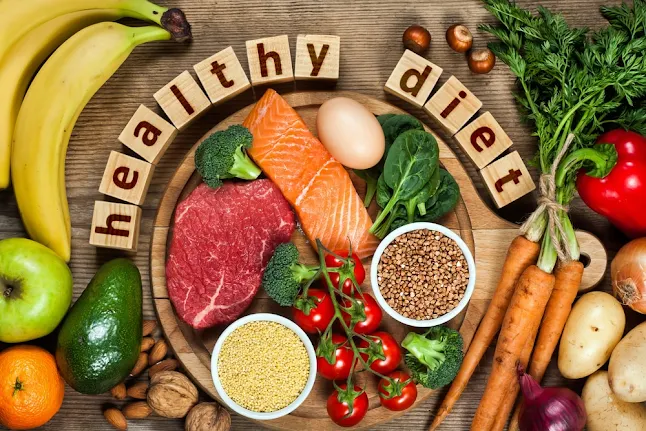
10 Best Foods For Losing Weight ?

10 Best Foods For Losing Weight ?


Losing weight can be a challenging task, but a healthy diet can make all the difference. Eating the right foods can help you feel full, reduce cravings, and increase your metabolism, making it easier to shed unwanted pounds. Here are the top 10 best foods for weight loss:

1. Leafy Greens


Leafy greens like spinach, kale, and collard greens are rich in vitamins, minerals, and fiber. They're also low in calories and high in water content, making them ideal for weight loss.

2. Whole Eggs


Whole eggs are packed with protein, which helps keep you feeling full and satisfied. They're also low in calories and provide essential nutrients like vitamin D, choline, and omega-3 fatty acids.

3. Lean Protein


Lean protein sources like chicken, fish, and turkey are an excellent choice for weight loss. They help you feel full, boost your metabolism, and support healthy muscle growth.

4. Whole Grains


Whole grains like brown rice, quinoa, and oats are packed with fiber, which helps keep you feeling full and satisfied. They're also rich in essential nutrients like B vitamins and iron.

5. Fruits


Fruits like berries, apples, and oranges are a great option for weight loss. They're low in calories, high in fiber, and packed with vitamins and minerals.

6. Vegetables


Vegetables like broccoli, cauliflower, and carrots are low in calories and high in fiber, making them ideal for weight loss. They're also loaded with vitamins, minerals, and antioxidants.

7. Nuts and Seeds


Nuts and seeds like almonds, walnuts, and chia seeds are rich in healthy fats, protein, and fiber. They help keep you feeling full and satisfied, and can even help reduce cravings for unhealthy snacks.

8. Greek Yogurt


Greek yogurt is high in protein and low in calories, making it an ideal snack for weight loss. It also contains probiotics, which can help support healthy digestion.

9. Avocado


Avocado is a great source of healthy fats, fiber, and essential nutrients like potassium and vitamin C. It can help reduce inflammation and support healthy weight loss.

10. Green Tea


Green tea contains antioxidants and caffeine, which can help boost your metabolism and increase fat burning. It's also a great alternative to sugary beverages like soda and juice.

In conclusion, incorporating these 10 best foods into your diet can help you achieve healthy and sustainable weight loss. By choosing whole, nutrient-dense foods and avoiding processed and high-calorie options, you'll be on your way to a healthier and happier you.


Tuesday, March 14, 2023

which weight loss surgery is the safest

 Which weight loss surgery is the safest?


 All weight loss surgeries carry some level of risk, and the safety of a particular surgery depends on several factors, including a patient's overall health, the surgeon's experience, and the specific procedure being performed. However, some weight loss surgeries have a lower risk of complications than others.

Among the most commonly performed weight loss surgeries, laparoscopic adjustable gastric banding (LAGB) and sleeve gastrectomy are considered to be relatively safe. LAGB involves placing an adjustable band around the upper part of the stomach, which reduces the amount of food that can be eaten at one time. Sleeve gastrectomy involves removing a portion of the stomach to create a smaller, banana-shaped stomach.

Both procedures are minimally invasive, have shorter recovery times, and lower rates of complications than other weight loss surgeries such as gastric bypass or biliopancreatic diversion with duodenal switch. However, it's essential to note that any weight loss surgery should only be considered after a thorough evaluation by a qualified medical professional and with careful consideration of the risks and benefits

Saturday, March 4, 2023

7 Tips to Lose Body Fat at Home, According to Experts

 7 Tips to Lose Body Fat at Home, According to Experts


  • 1.walking is a great form of exercise that can be done outside the gym. It's low-impact, easy on the joints, and can be done anywhere, making it an ideal workout for people of all fitness levels
  • 2. Intermittent fasting has become a popular diet trend in recent years, and many people have reported success in achieving their weight loss and health goals through this eating pattern.
  • 3. Lifting heavier weights can be an effective way to build strength, increase muscle mass, and boost metabolism. Here are some tips to safely and effectively lift heavier weights Start gradually, focus on form, use compound exercises etc.
  • 4. Running or jogging can be an excellent way to improve cardiovascular health, burn calories, and boost mood. Here are some tips to get started Warm up and cool down, invest in proper footwear, Start gradually etc.
  • 5. High-intensity interval training (HIIT) is a workout method that involves short bursts of intense exercise followed by periods of rest or low-intensity exercise. HIIT can be an effective way to burn calories, improve cardiovascular health, and build strength. Here are some tips to get started with HIIT: Start with a warm-up, choose your exercises, set your intervals, gradually increase intensity etc.
  • 6.Eating a balanced and nutritious diet is essential for losing body fat and maintaining a healthy weight. Here are some tips to help you choose the right foods: Focus on whole foods, Limit processed foods, eat lean protein, choose healthy fats, Control portions, Stay hydrated etc.
  • 7. Getting enough quality sleep is essential for overall health and weight loss. Here are some tips to help improve the quality of your sleep: Stick to a sleep schedule, create a relaxing bedtime routine, avoid electronics before bed, Create a comfortable sleep environment, Limit caffeine and alcohol etc.